Make Space
Use shelves, cabinets, and countertops more effectively with storage essentials suited to your kitchen.
A beautifully organized kitchen creates room for everyday inspiration. Discover thoughtful storage solutions that bring clarity to your pantry, preserve ingredients, simplify preparation, and make your everyday spaces feel effortlessly composed.
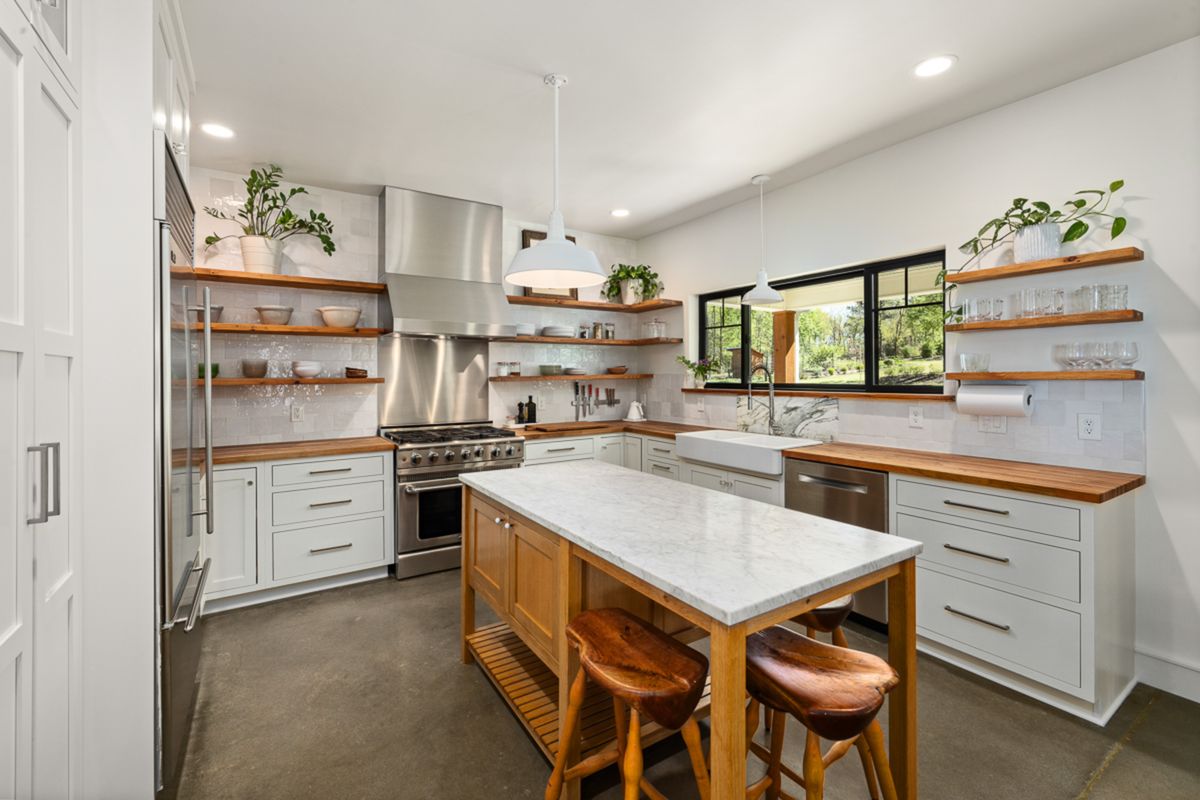
Create a kitchen that works naturally with your daily routines. Explore four distinct areas of organization, each centered around a practical everyday need.
Use shelves, cabinets, and countertops more effectively with storage essentials suited to your kitchen.
Give frequently used ingredients and kitchen accessories a clear, accessible place.
Establish an organized environment that supports preparation, cooking, and everyday cleanup.
From preparing meals in advance to organizing everyday pantry ingredients, thoughtfully selected storage essentials bring practicality and visual harmony to your kitchen.
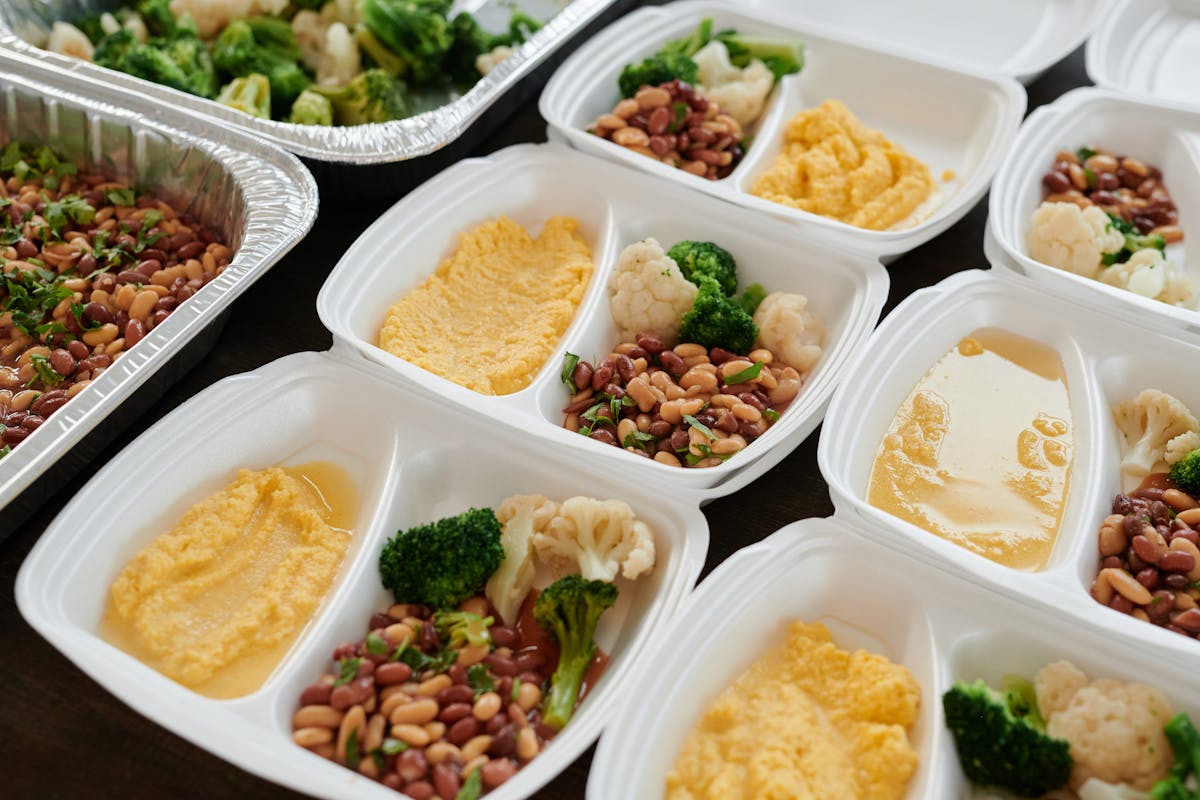
Establish a practical system for storing prepared meals, leftover ingredients, fresh produce, and everyday food essentials. Discover versatile containers suited to your refrigerator and meal preparation routines.
Reusable storage for prepared meals, ingredients, and everyday leftovers.
Coordinated storage for suitable dry ingredients and organized food storage.
Practical designs with removable colanders for compatible fruits and vegetables.
Compatible containers, reusable bags, and sealing tools for food preservation.
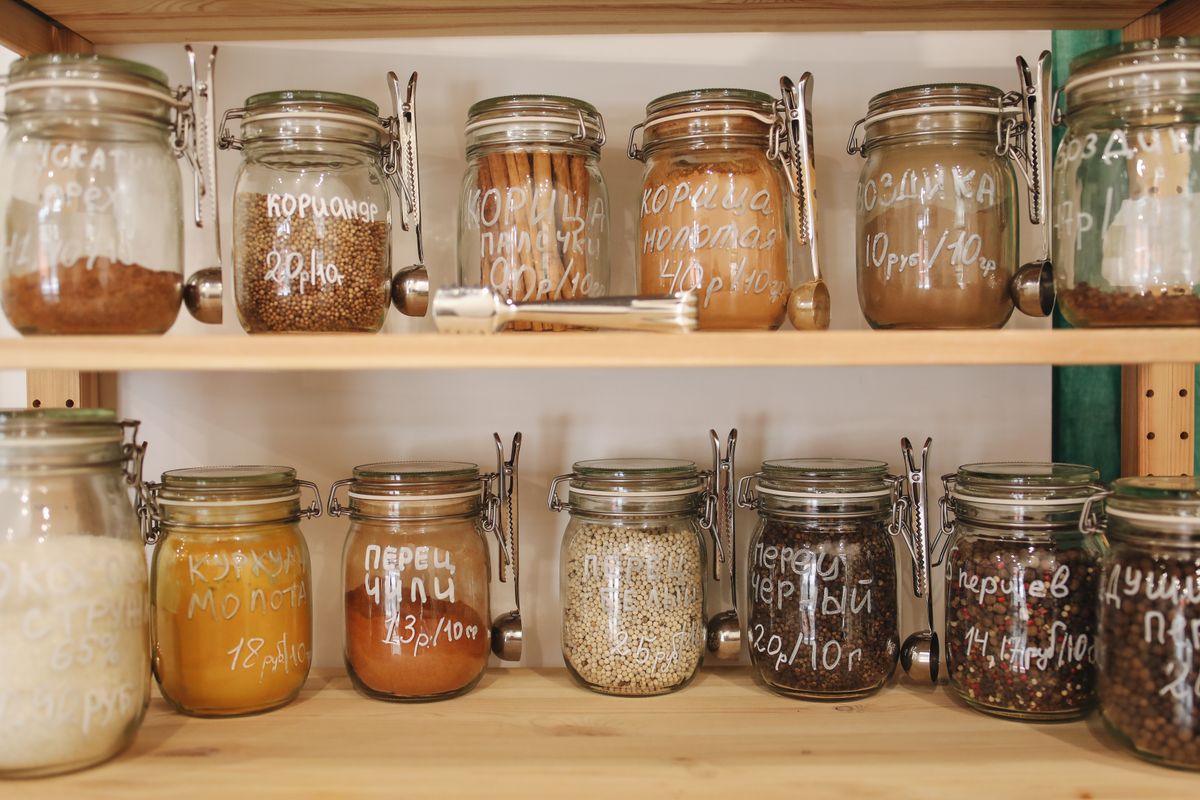
Transform everyday pantry shelves into an organized, accessible collection of ingredients. Explore canisters, turntables, storage racks, and practical organizers that help make your essentials easier to find.
Coordinated storage for flour, sugar, cereal, rice, and other suitable ingredients.
Dedicated storage designs for coffee beans and compatible dry goods.
Structured racks for arranging canned ingredients and improving visibility.
Flexible storage for suitable packaged foods, snacks, and pantry essentials.
Thoughtful organization begins with understanding what you use, where you use it, and how often you need to access it.
Arrange baking ingredients, grains, spices, breakfast essentials, and snacks into recognizable groups.
Select appropriate capacities and materials for your ingredients and available shelf dimensions.
Use suitable tiered racks, clear containers, and rotating organizers for easier access.
Review available ingredients regularly, retain food storage instructions, and replenish essentials as needed.
Make everyday kitchen spaces more intuitive with thoughtfully selected organizers. From compact countertops to deeper cabinets, discover practical solutions for keeping your essentials close at hand.
Sliding storage solutions for easier access to compatible cabinets and deeper shelves.
Adjustable designs that make better use of available vertical storage space.
Practical tiered storage for countertop corners and frequently used accessories.
Accessible storage for condiments, spices, small containers, and pantry essentials.
Measure before choosing. Check cabinet width, depth, height, door clearance, installation requirements, and load capacity.
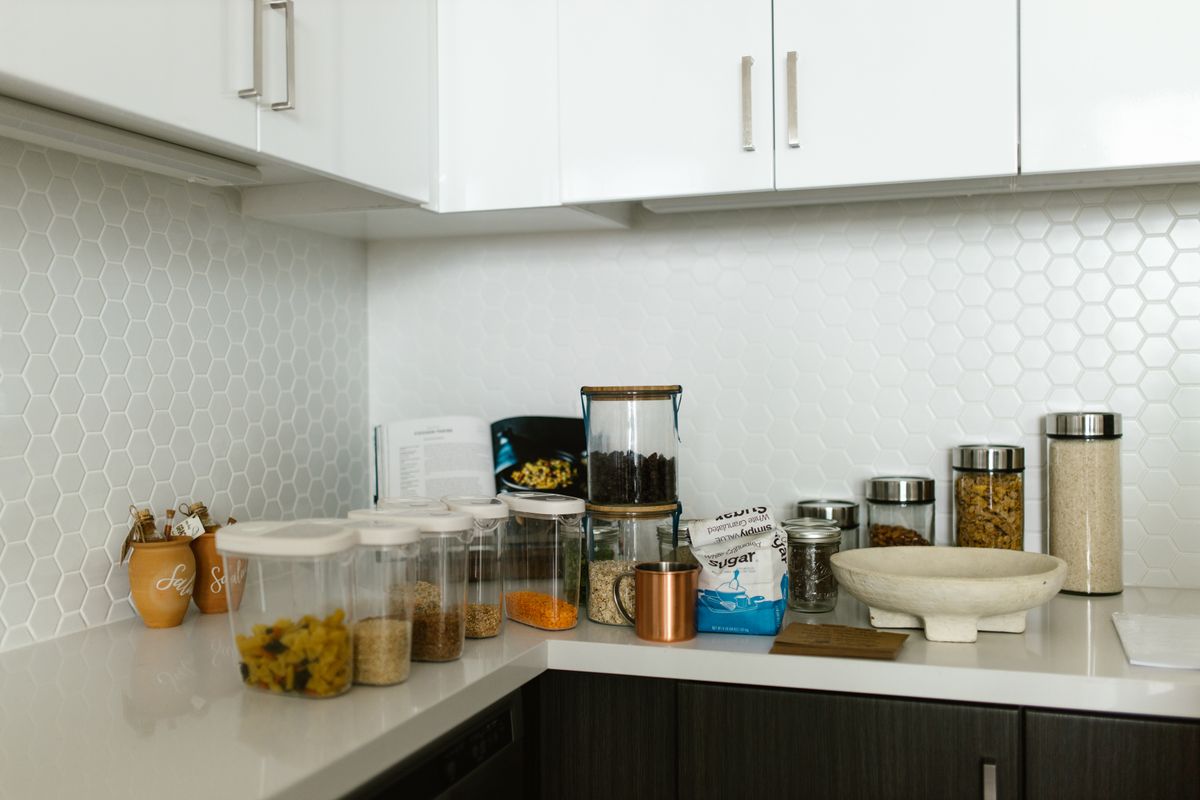

Create a more organized sink area with functional accessories that support washing, drying, and everyday kitchen maintenance. Give cleaning tools a dedicated place while preserving usable counter space.
Expandable and roll-up designs for freshly washed dishes in compatible kitchen spaces.
Dedicated holders for sponges, dish brushes, cleaning accessories, and suitable dispensers.
Convenient countertop solutions that keep dishwashing essentials organized and accessible.
Practical brushes and holders for maintaining dishes, cookware, and compatible kitchen surfaces.
Every kitchen has different dimensions and routines. Identify practical solutions for the areas you would most like to improve.
Organizing prepared meals and leftovers.
Capacity, material, lid design, and temperature limits.
Designated storage for suitable dry ingredients.
Seal design, dimensions, and ingredient compatibility.
Improving visibility and access to canned ingredients.
Can capacity, shelf clearance, and rack dimensions.
Making better use of deeper cabinet spaces.
Installation method, cabinet opening, and load limits.
Creating additional flexible kitchen storage.
Floor space, tier dimensions, and wheel clearance.
Organizing washed dishes with suitable drainage.
Sink dimensions, drying capacity, and cleaning needs.
Keeping sponges and washing accessories together.
Drainage, mounting compatibility, and available space.
A well-organized kitchen is maintained through simple, consistent habits that complement the way you prepare, cook, and enjoy your meals.
Return frequently used ingredients to their designated storage areas. Clean preparation surfaces, arrange washing accessories, and allow containers and dish racks to dry thoroughly after use.
Review your refrigerator and pantry regularly. Check food dates, organize remaining ingredients, clean storage surfaces, and identify essentials that need to be replenished.
Reconsider the placement of rarely used accessories, inspect containers and organizers for wear, and adapt your arrangement to changing cooking habits.
Keep your organization essentials ready for everyday use through appropriate cleaning, maintenance, and installation practices.
Clean food-contact surfaces thoroughly between uses. Confirm dishwasher, microwave, and freezer compatibility for each container and lid. Avoid sudden temperature changes unless expressly permitted.
Remove washable seals where permitted, clean accumulated food residue, and allow components to dry completely before reassembly. Inspect seals regularly for damage.
Observe individual load limits and installation requirements. Periodically inspect sliding components, mounting points, and adjustable shelves for stability.
Remove standing water, clean drainage areas, and regularly wash compatible holders and racks. Use cleaning methods suited to each material.
Food storage matters. Refrigerate perishable food promptly, follow recommended storage temperatures, and retain relevant expiration and preparation dates. Airtight containers and vacuum sealing do not replace proper refrigeration or safe food handling practices.
Find practical guidance on choosing kitchen storage, organizing pantry essentials, maintaining food containers, and shopping confidently with Cooklora.
Begin with the areas you use most frequently, such as your pantry, preparation counter, or sink. Review what you need to store, measure available space, and select organizers suited to your daily routines.
Glass containers often provide clear visibility and a substantial feel, while plastic containers may offer lighter handling. Review individual temperature limits, durability, and care requirements.
No. Sealing performance depends on lid design, construction, and sealing components. Check the individual product specifications for airtight or leak-resistant features.
Measure the internal width, height, and depth of your cabinet, accounting for hinges, doors, pipes, and other obstructions. Confirm installation requirements and load capacity before purchasing.
Freezer compatibility varies according to material, construction, and lid design. Only use containers identified as suitable for freezer storage and follow their individual instructions.
Consider the amount of kitchenware you wash, the dimensions of your sink and countertop, and your preferred drainage arrangement. Check individual product measurements before choosing.
Cooklora offers free shipping on all products, with order delivery within 3–5 calendar days. Follow your shipment through our order tracking page.
Yes. Cooklora offers free returns and exchanges within 30 days. Our customer support team is available 24/7 to assist with your order.
More space for creativity. More clarity in everyday routines. More enjoyment in the kitchen. Discover thoughtfully selected storage and organization essentials that help create a beautifully considered culinary environment.